


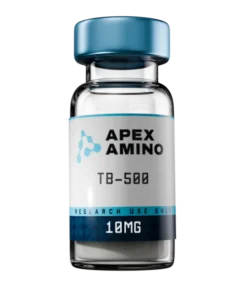


TB-500 – 10mg
Intended strictly for research purposes only.
tb 500 This research compound is provided in lyophilized form and packaged in a 3ml vial to ensure stability and reliable handling. TB-500 is prepared for research settings that require precise materials for controlled studies.
Supplied as lyophilized powder for extended stability
Packaged in a 3ml vial
Suitable for a variety of laboratory research studies
This product requires reconstitution.
1. Introduction
Aging is an inherent resultant of living, which is well conserved among the species [1]. Based on the United Nation’s database, the percentage of individuals over the age of 65 years is gradually increasing worldwide. Moreover, the median age of the world’s population rose by eight years in the last four decades [2]. Thus, the leading five causes of Disability Adjusted Life Year (DALY) rates are non-communicable age-related diseases [3] placing immense economic, social, and healthcare burdens upon society. Researchers around the globe are conducting a vast number of investigations to better understand the physiological and molecular background of the process of aging. Doubtlessly, increasing longevity proposes the question: how can we prolong our age while assuring quality of life measures in the best physical and mental shape possible.
As we all know, over the span of time, the human body undergoes numerous alterations, including loss of muscle mass, increase in body fat, water loss in the tissues, and decreased bone density, all resulting in varying degenerative processes regarding our physiological make-up [4]. Moreover, the impact of the environment, parental health, lifestyle, and social interactions, much as physical activity during early and later life seemingly bears an equally significant role upon the aging processes and tissue soundness [5,6]. At the cellular and molecular levels, aging is considered to be an accumulation of both internal and external damage, eventually leading to inadequate function of the cell, tissue, and organ. Clearly, the biggest challenge of our era is to understand and successfully intercede with the various molecular pathways responsible for these alterations.
Be the first to review “TB-500 – 10mg”
Related products


PEPTIDES

PEPTIDES
PEPTIDES
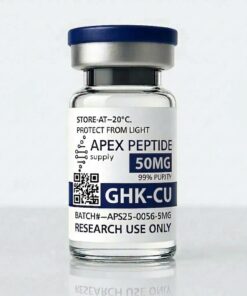
PEPTIDES

PEPTIDES

PEPTIDES

PEPTIDES


PEPTIDES
Reviews
There are no reviews yet.