
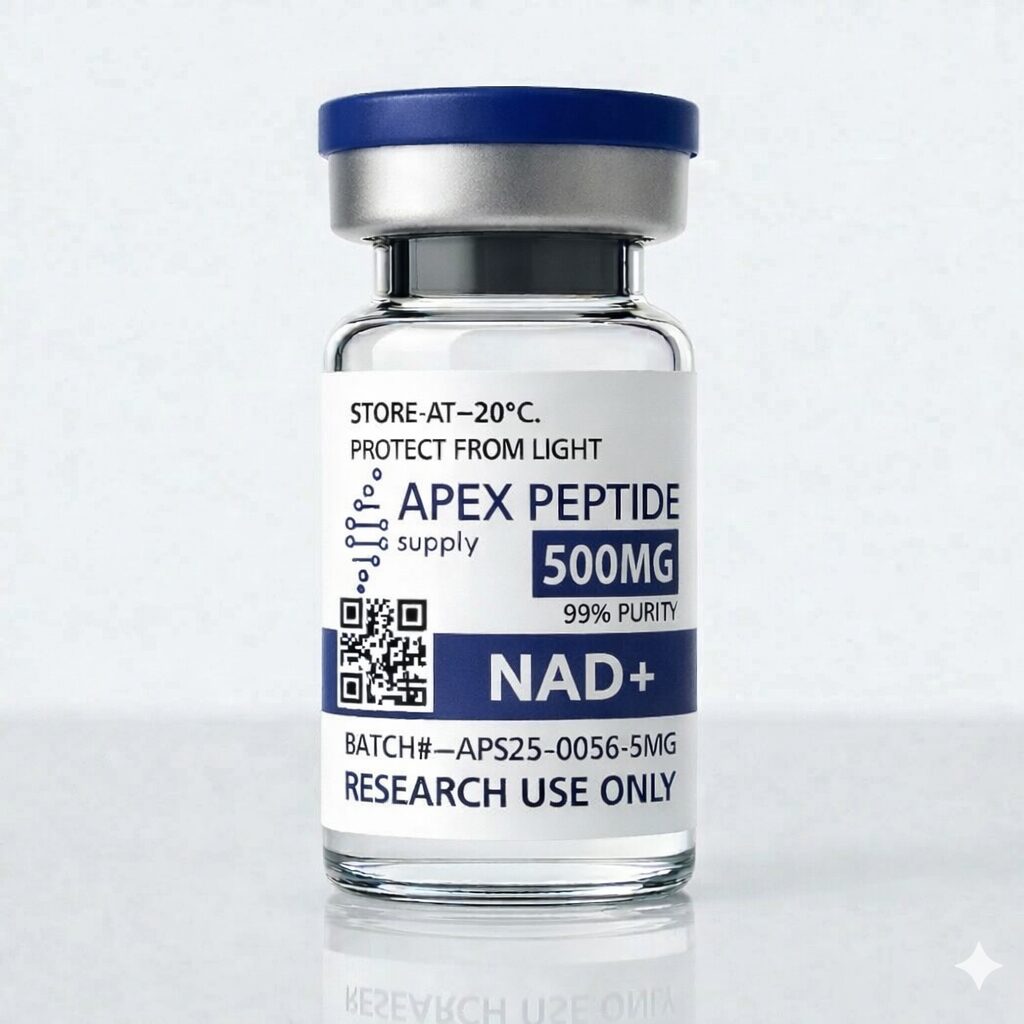


NAD+
The understanding of the molecular and cellular basis of aging has grown exponentially over recent years, and it is now accepted within the scientific community that aging is a malleable process; just as it can be accelerated, it can also be slowed and even reversed. This has far-reaching implications for our attitude and approach toward aging, presenting the opportunity to enter a new era of cellular regenerative medicine to not only manage the external signs of aging but also to develop therapies that support the body to repair and restore itself back to a state of internal well-being. A wealth of evidence now demonstrates that a decline in cellular nicotinamide adenine dinucleotide (NAD+) is a feature of aging and may play a role in the process. NAD+ plays a pivotal role in cellular metabolism and is a co-substrate for enzymes that play key roles in pathways that modify aging. Thus, interventions that increase NAD+ may slow aspects of the aging trajectory, and there is great interest in methods for cellular NAD+ restoration. Given these recent advancements in understanding the cellular aging process, it is important that there is an integration between the basic scientists who are investigating the underlying mechanisms of cellular aging and the surgeons and aesthetic practitioners who are providing antiaging therapies. This will allow the effective translation of this vastly complex area of biology into clinical practice so that people can continue to not only stay looking younger for longer but also experience improved health and wellness.
In general terms, aging is considered the organism-wide loss of homeostasis, innate repair, and regenerative capacity, resulting in an accumulation of damage and the development of multiple copathologies. Aging is a complex and multifactorial phenomenon that includes many effects at the systemic level which are ultimately driven by critical changes at the cellular level. It is recognized that there are nine key cellular changes that underpin the cascade of events that lead to systemic age-related decline. These cellular causes of aging have been well characterized and are collectively referred to within the aging research community as the “hallmarks of aging.”1
The identification of the hallmarks of aging has marked a shift toward understanding aging not as a single process, but instead as a combination of multiple cellular changes. This has allowed the molecular and cellular root causes of many common aging phenotypes to be identified. For example, skin aging—arguably the most recognizable sign of aging—has traditionally been described at the histological level, but it is now understood that these changes result from more specific failures at a cellular level, revealing new therapeutic targets with the potential to address aging at its root cause
Be the first to review “NAD+”
Related products

PEPTIDES
PEPTIDES
PEPTIDES

PEPTIDES

PEPTIDES

PEPTIDES


PEPTIDES
PEPTIDES
Reviews
There are no reviews yet.